Total Dog Care Kit: Daily Routine Checklists That Stick
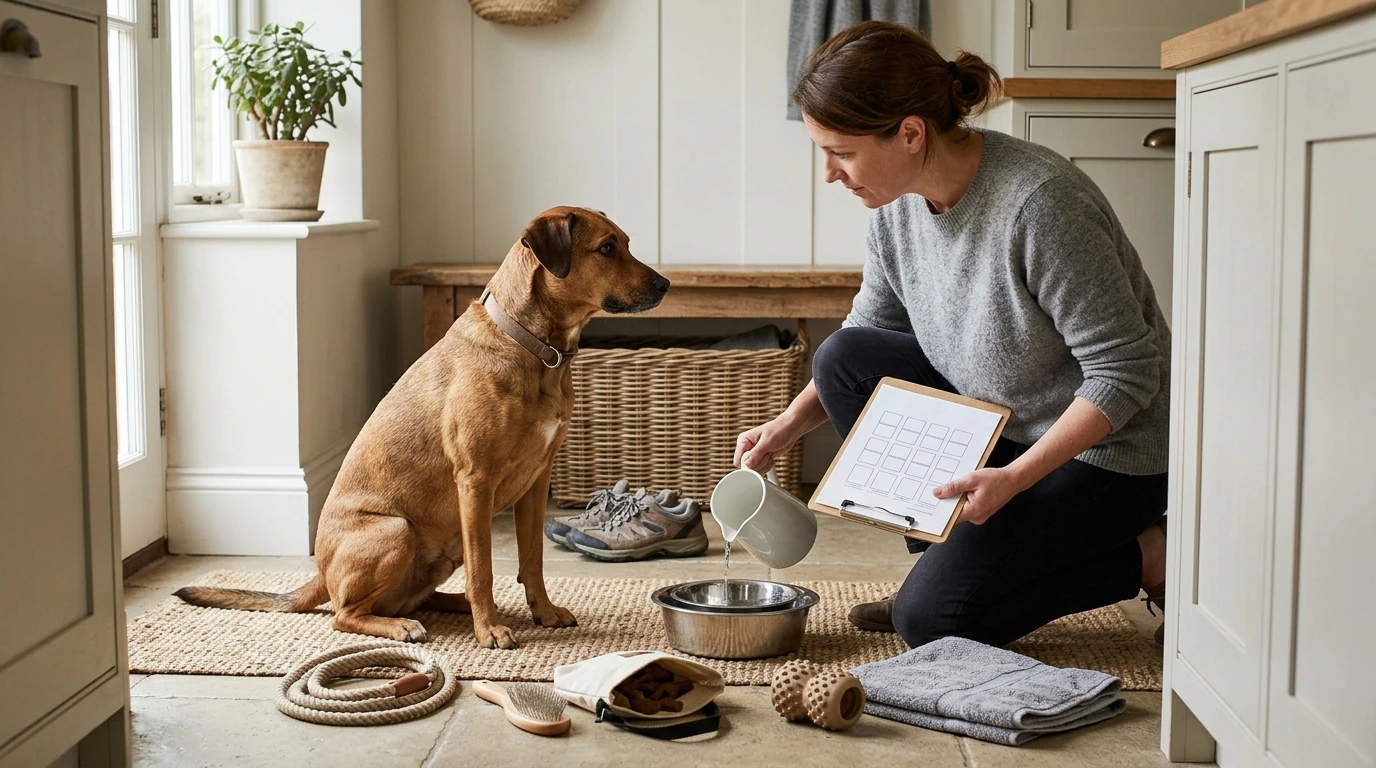
Build a Dog Routine That Actually Happens (Even on Busy Days)
Consistent routines help dogs feel secure, learn faster, and stay healthier over time. The challenge isn’t knowing that routines matter—it’s keeping them steady when life gets hectic. A structured kit of guides and checklists makes it easier to turn “good intentions” into repeatable daily habits: feeding, hydration, walks, training, grooming, enrichment, and basic health tracking—without guessing what to do next or forgetting key steps.
If you want one place to organize everyday care and catch small changes early (before they become bigger problems), the Total Dog Care Kit for Building Better Daily Habits – 3-in-1 Bundle of Guides & Checklists is designed to keep your plan simple, visible, and repeatable.
Who This Kit Helps Most
- New dog parents building a routine from scratch without missing basics like dental care, nail trims, or enrichment.
- Busy households that need quick, repeatable checklists that anyone in the home can follow.
- Families with kids who want a simple way to assign dog-care tasks and confirm they were done.
- Owners working on behavior goals that improve with consistency (crate routine, calm greetings, leash manners).
- Anyone who wants lightweight tracking to notice changes early (appetite, stool quality, energy level).
What’s Inside the 3‑in‑1 Bundle (Guides + Checklists)
- Daily routine checklists to standardize core care (meals, water refresh, potty breaks, walks, training moments, play, and downtime).
- Weekly and monthly habit trackers to keep less-frequent tasks from slipping (grooming, nail trims, dental care, ear checks, toy rotation, and home hygiene).
- Quick-reference guides explaining what to do, when to do it, and what “normal” can look like for day-to-day observations.
- A simple responsibility system for splitting tasks across family members or caregivers while keeping the dog’s routine stable.
- Printable-friendly formats for a clipboard, fridge, or binder—also easy to use as a digital checklist.
Routine building blocks and what they support
| Habit block | Examples of checklist items | Why it matters |
|---|---|---|
| Morning baseline | Water refresh, potty break, short walk, breakfast, 2–5 minutes of training | Sets the tone for calm behavior and predictable expectations |
| Midday reset | Potty break, brief play/enrichment, quick coat check | Reduces boredom-driven behaviors and catches issues early |
| Evening wind-down | Walk, dinner, calm chew, grooming touch-point | Supports sleep routine and lowers stress/arousal |
| Weekly maintenance | Brush teeth, nail check/trim, ear check, wash bedding | Prevents small problems from turning into vet visits |
| Monthly review | Weight/BCS note, training goal update, supply restock | Keeps care proactive and budget-friendly |
How to Use the Kit to Build Habits That Stick
- Start small: choose 3–5 non-negotiables for week one (water refresh, consistent meal timing, two potty breaks, one walk, one short training session).
- Attach habits to anchors: after coffee = potty break; after dinner = 3-minute calm training; before bed = quick coat/skin check.
- Make checklists visible: keep daily pages where the routine happens (kitchen for meals, entryway for walks, bathroom for grooming).
- Track “done,” not “perfect”: mark completion to build momentum; refine timing and duration after the routine becomes automatic.
- Rotate enrichment: schedule sniff walks, food puzzles, short fetch sessions, or basic scent games so mental exercise is consistent.
- Use notes to spot patterns: itching after park days, soft stool after new treats, increased thirst during hot weeks.
A Realistic Sample Schedule for Weekdays
- Morning (10–25 minutes): potty break, short walk or sniff time, breakfast, brief training (sit/down/leave it), water refresh.
- Midday (5–15 minutes): potty break, quick play or enrichment, check paws/coat if outdoors.
- Late afternoon (15–40 minutes): walk, structured play, practice leash manners or calm greetings.
- Evening (10–20 minutes): dinner, calm chew or lick mat, light grooming (brush, quick ear/eye look), settle routine.
- Weekly set time (10–30 minutes): pick one day for nails/teeth/ear check and one day for washing bedding and toys.
Daily Care Pillars Covered by the Checklists
Common Problems This System Helps Prevent
Getting the Most Value From the Kit
Helpful, Authoritative References for Everyday Dog Care
For foundational guidance on routine care and safe handling, see the American Veterinary Medical Association (AVMA) dog care resources. For training fundamentals that fit well into short daily sessions, review AKC dog training basics. For family health and hygiene considerations around pets, the CDC Healthy Pets, Healthy People hub is a solid reference.
Recommended Add-Ons (Optional, In Stock)
- Total Dog Care Kit for Building Better Daily Habits – 3-in-1 Bundle of Guides & Checklists — the core system for daily, weekly, and monthly routines.
- Simple AI-Powered Relaxation You Can Feel | AI Breathing Exercises for Relaxation | Digital Guide for Daily Calm and Stress Relief — useful if you want a quick way to stay calm and consistent during training or hectic family schedules.
FAQ
Is this kit suitable for puppies and adult dogs?
Yes—this framework works at any age. Puppies usually need more frequent meals and potty breaks plus shorter training sessions, while adult dogs may follow fewer, longer activity blocks and more structured weekly maintenance.
How long does it take to see improvements from a consistent daily routine?
Many dogs show small improvements within days, such as settling faster and anticipating what’s next. Bigger changes—like better leash manners or calmer greetings—typically build over a few weeks of steady, repeatable practice.
Can multiple family members use the same checklists?
Yes—shared checklists are ideal for avoiding double-feeding and missed walks. Add initials and times to confirm tasks were completed and keep your dog’s schedule stable across different caregivers.








Leave a comment