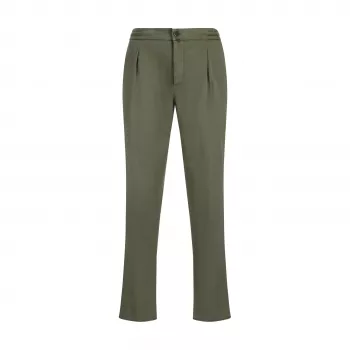
Kiton Regular-Fit Pants: Adjustable Waist, Monochrome
Kiton Regular-Fit Pants with an Adjustable Waistband and Monochrome Finish
Regular-fit trousers with an adjustable waistband strike a rare balance: enough structure to look tailored, enough ease to stay comfortable through long days, travel, and polished casual plans. This Kiton pair leans into a clean monochrome finish that simplifies outfit building—especially when time is tight—while the flexible waist helps the fit stay consistent as the day (or season) changes. For more guidance, see New Home Introduces The For Embroidery, Sewing.
What stands out about the design
A well-executed regular fit has a timeless feel, and these trousers are built around that dependable silhouette. The leg offers room where it counts without drifting into “baggy,” so the look stays sharp from morning meetings to evening reservations. For further reading, see (PDF) Italian Fashion since 1945 – Academia.edu.
- Regular fit creates a classic shape with comfort through the seat and thigh for all-day wear.
- Adjustable waistband fine-tunes ease without giving up a tailored appearance.
- Monochrome finish keeps styling streamlined and works with tonal outfits or contrast pairings.
- Minimalist aesthetic transitions easily across office-ready looks, dinner fits, and elevated weekend outfits.
For a closer look at this style, see Kiton Men’s Regular Fit Pants with Adjustable Waistband and Monochrome Design.
Fit and feel: getting the most from a regular fit
Regular fit lives between slim and relaxed: clean through the leg without clinging. The goal is a smooth line from hip to knee, then a hem that complements the shoes. Because a monochrome outfit highlights silhouette, proportion and drape matter even more than usual.
- A regular fit typically sits between slim and relaxed, offering a clean line without feeling restrictive.
- For a sharper finish, aim for a smooth drape through the thigh and choose a break that matches footwear (minimal break with loafers; slight break with lace-ups).
- If movement matters, prioritize comfort at the waistband first; the adjustable feature can reduce the need to size up.
- Consider rise: higher rises read more classic and “dress trouser”; mid rises feel more modern and casual.
For general guidance on trouser proportions and modern tailoring, sources like GQ Style and Esquire Men’s Fashion are useful references for how different breaks and rises change the overall look.
Adjustable waistband: practical benefits and how to use it
An adjustable waistband is one of those details that becomes indispensable once it’s in rotation. It can make a long flight, a big dinner, or a day of commuting feel significantly better—without the waistband looking stretched or the trouser line becoming sloppy.
- Helps accommodate small fluctuations after meals, during travel, or when layering across seasons.
- Improves proportions by keeping the waist secure while preserving comfortable room through the leg.
- Supports styling versatility: tucked-in shirts and knit polos stay neater when the waist is comfortably snug.
- Best practice: set the waistband for comfort first, then check the front line—no pocket pulling, no diagonal creasing at the fly.
If the waistband is adjusted but the pockets still flare or the seat pulls when sitting, the base size is likely off. Start with the right seat and thigh fit, then use the adjuster to refine.
Monochrome styling ideas for different settings
Monochrome trousers are a wardrobe shortcut: they reduce decision fatigue and create an intentionally “put-together” impression with fewer moving parts. The key is varying texture—think knitwear, crisp shirting, or structured outerwear—so the look doesn’t feel flat.
- Tonal dressing: pair with a similar-shade knit or overshirt for an uninterrupted, elongated line.
- High-contrast pairing: combine with a crisp light shirt or a darker knit to sharpen the trouser silhouette.
- Smart-casual formula: monochrome trousers + fine-gauge sweater + leather sneakers or loafers.
- Evening-ready: monochrome trousers + structured blazer + sleek footwear for a refined uniform.
Outfit pairings by occasion
| Occasion | Top | Layer | Shoes | Overall effect |
|---|---|---|---|---|
| Business casual | Button-down shirt | Unstructured blazer | Loafers or derbies | Polished and understated |
| Travel day | T-shirt or knit polo | Lightweight jacket | Minimal sneakers | Comfort-forward, still refined |
| Dinner | Fine-gauge knit | Tailored coat (cool weather) | Dress shoes | Clean, elevated monochrome |
| Weekend | Sweatshirt or casual knit | Overshirt | Sneakers or boots | Relaxed with structure |
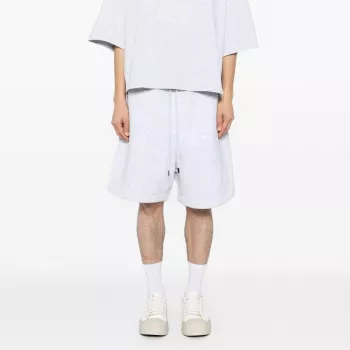
For warmer days or a more sport-forward rotation, consider a complementary option like Jacquemus Torneo Mélange Sport Shorts for Men to keep the same clean, modern energy with a lighter feel.
Care and longevity basics
Premium trousers tend to look best when they’re cared for with a lighter touch. Simple habits—rotation, proper hanging, and careful cleaning—help preserve shape and keep the fabric finish crisp.
- Check the care label first; many high-end trousers benefit from gentle handling and appropriate pressing.
- Rotate wear to preserve shape and reduce stress at friction points like pockets and inner thigh.
- Use a proper hanger that supports the waistband and maintains the crease line (if the style includes one).
- Spot clean when possible and avoid overwashing to protect color and drape.
Quick checklist before buying
FAQ
How should regular-fit pants sit at the ankle?
A clean look usually means no break to slight break, depending on the shoe. Loafers and minimal sneakers tend to look best with little to no break, while derbies and lace-ups can take a slight break for a traditional finish; monochrome outfits typically benefit from the cleaner option.
Does an adjustable waistband replace tailoring?
No—an adjustable waistband helps fine-tune comfort and keeps the waist secure, but it doesn’t change hem length or the overall silhouette. Start with the right seat and thigh fit, then tailor the hem (and, if needed, taper) for the sharpest result.
What tops work best with monochrome trousers?
Tonal knits, crisp shirts, and textured layers work especially well because texture adds depth without disrupting the streamlined look. For contrast, keep the top clean and structured (like a poplin shirt or fine-gauge sweater) so the proportions stay balanced.




Leave a comment